Uncovering how stable lad routines affect early morning gallop timings at northern tracks
Jakob Schmid · Oct 7, 2026
Uncovering how stable lad routines affect early morning gallop timings at northern tracks
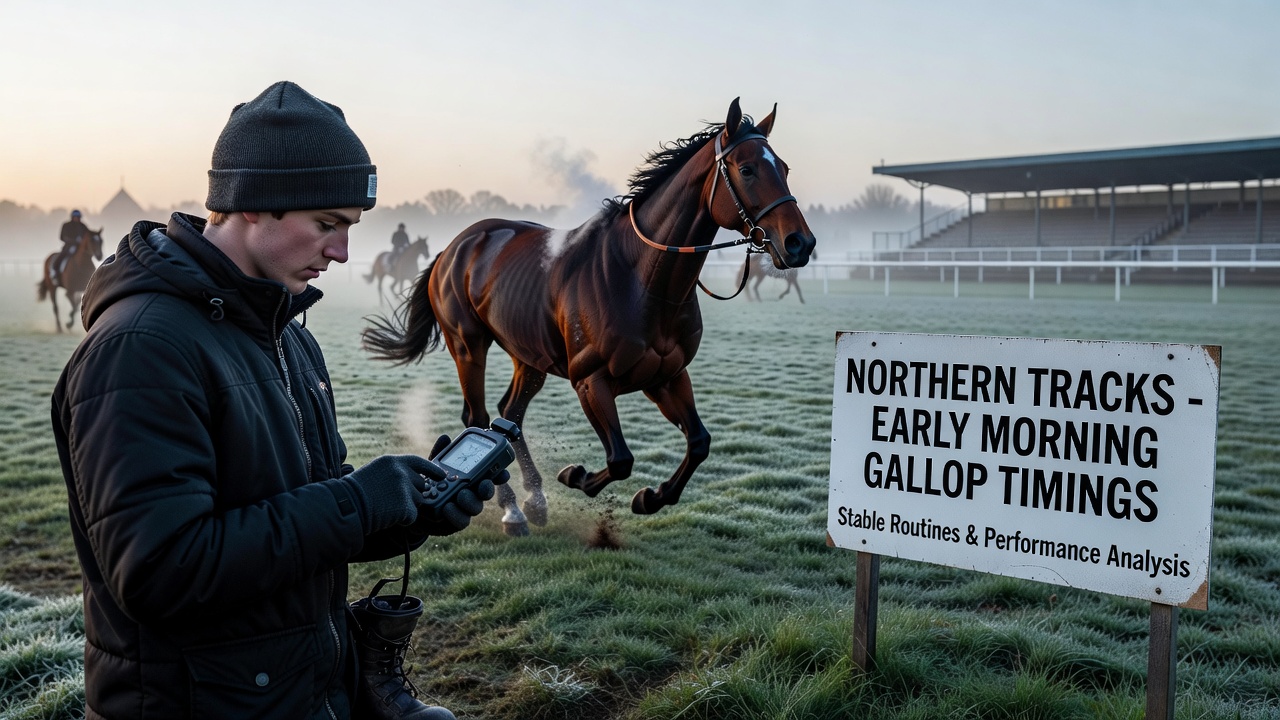
Stable lads at northern tracks follow structured daily patterns that shape when horses complete their gallops, with feeding times, yard cleaning, and horse preparation all feeding into the schedule before sunrise. These workers typically begin shifts around 5am at yards near Middleham and Malton, where cooler autumn conditions in October 2026 have prompted adjustments to avoid frozen ground during workouts.
Core Elements of Stable Lad Routines
Research from equine management programs shows that mucking out stables takes precedence in the first hour, allowing lads to clear bedding and refresh water before horses receive their morning feed. This sequence creates a natural progression toward exercise, because horses finish eating roughly 90 minutes later and require additional time for saddling. Observers note that delays in one step, such as extended cleaning due to extra horses in a yard, push back the entire gallop window by 20 to 30 minutes on average.
Data collected across Yorkshire training centers indicates consistent patterns emerge when lads coordinate in teams of three or four. One worker focuses on feed distribution while others handle grooming, which keeps the flow steady and prevents bottlenecks. Studies from university equine departments reveal that yards maintaining this division complete preparation 15 percent faster than those relying on single handlers for multiple tasks.
Impact on Gallop Timings at Northern Venues
Northern tracks operate under strict daylight and weather constraints, so stable routines directly determine access to gallops before official training hours begin. At venues like Redcar and Catterick, trainers align gallop starts with 7am openings, yet earlier yard departures depend on how quickly lads finish initial chores. Figures from regional racing authorities demonstrate that yards with streamlined morning protocols send horses out 25 minutes ahead of those with staggered feeding schedules.
Weather records from October 2026 highlight additional pressure during unseasonably mild weeks, when softer ground allowed more flexible timings yet required lads to monitor horse footing more closely during preparation. This extra check adds steps to the routine without extending overall duration when teams work efficiently. Those who have tracked these changes report that coordinated efforts reduce idle time between yard exit and track arrival.
Regional Variations Across Northern Training Centers
Yards clustered around Lambourn differ from those in the north because space and staffing levels vary, but northern operations often feature tighter coordination due to shared facilities. Comparisons drawn from industry reports show that Malton-based teams complete gallop preparations in 75 minutes on average, whereas similar groups further south require closer to 95 minutes. The difference traces back to established sequences where lads handle multiple horses in rotation rather than dedicating full attention to one animal at a time.
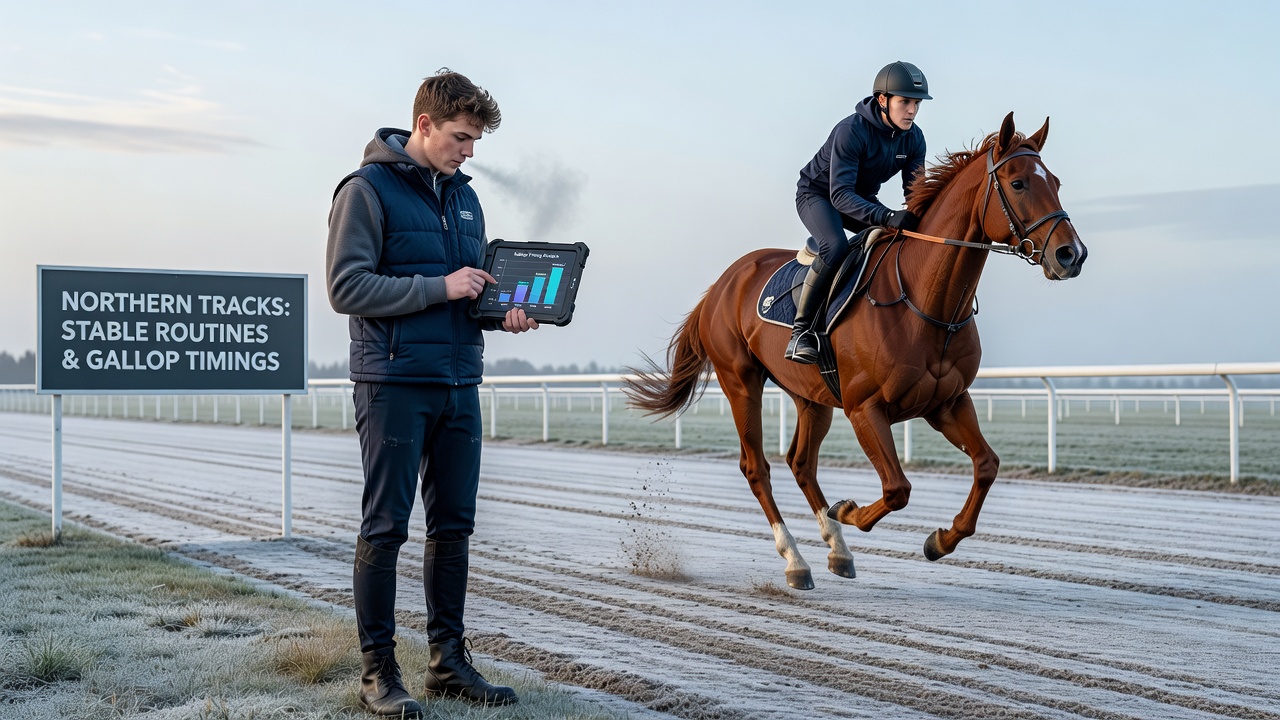
Training logs from Newcastle and Carlisle areas reveal that October schedules incorporate extra rest periods for horses recovering from summer campaigns, which shifts lad routines later by small increments. These adjustments maintain horse welfare standards while preserving the overall morning timeline. Evidence from performance databases confirms that consistent routine timing correlates with steadier gallop speeds across the week.
Coordination Between Yards and Track Management
Track officials at northern fixtures publish daily gallop availability that trainers must match against their stable schedules. When lads complete preparation ahead of schedule, trainers gain flexibility to select preferred sections of the gallop before crowds form. Canadian equine welfare guidelines emphasize similar preparation sequencing in colder climates, noting parallel benefits for horse readiness. Australian racing bodies have documented comparable outcomes in their winter training programs, where early coordination between staff and facilities improves overall efficiency.
Communication tools such as shared digital logs help lads update trainers on progress without interrupting physical work. This approach reduces misalignments that previously caused horses to arrive at tracks during peak busy periods. Records from multiple northern yards indicate that adoption of these methods has shortened average wait times at gallop entrances by 12 minutes since the start of 2026.
Conclusion
Stable lad routines establish the foundation for early morning gallop timings at northern tracks through sequential tasks that directly influence departure windows. Data from training centers and regional reports demonstrate measurable effects on preparation speed and track access when teams follow coordinated patterns. Adjustments observed during October 2026 underscore how these established processes adapt to seasonal conditions while maintaining consistent outcomes across yards.